
 English
 Türkçe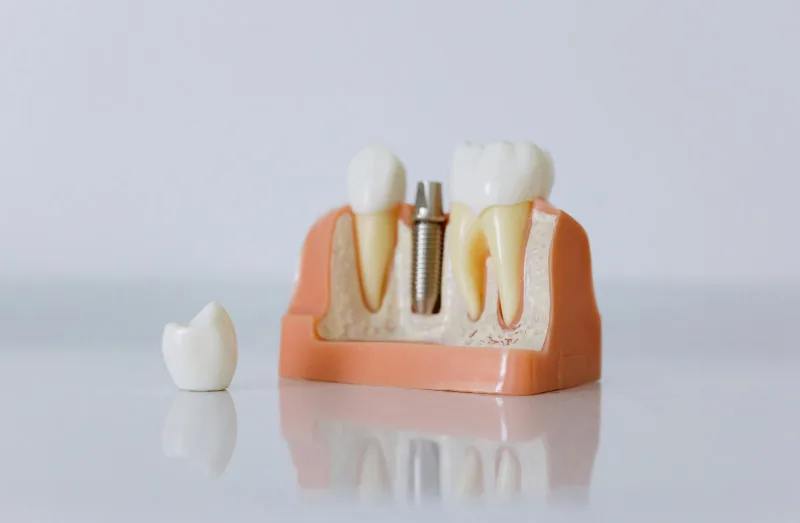
An implant-supported crown and a tooth-supported bridge solve a missing-tooth problem in different ways. The useful comparison starts with neighbouring teeth, bone, gum health, timing, maintenance and personal priorities.
The short answer
An implant generally supports a replacement tooth independently, while a conventional bridge relies on adjacent teeth. That difference affects preparation, surgery, timing, cleaning and future repair. A dentist needs to assess the whole mouth before recommending either option.
When neighbouring teeth change the discussion
If adjacent teeth are healthy and largely unrestored, preserving them may weigh in favour of an implant. If they already need crowns, a bridge may address more than one problem. Existing decay, cracks, root treatment, periodontal support and the span of the missing area all influence the decision.
Bone, gums and medical factors
Implants require adequate bone and healthy tissues, and some people need additional procedures or are not suitable for elective implant surgery. Smoking, uncontrolled disease, medicines and the ability to maintain hygiene can affect risk. A bridge avoids implant surgery but places different demands on the supporting teeth.
Timing and provisional teeth
Implant treatment often includes biological healing stages. A bridge may sometimes be completed on a different schedule, but speed should not replace diagnosis. Ask how the space will be managed during treatment and which parts of the timetable are provisional.
Maintenance and repair
Both options require daily cleaning and professional review. Cleaning beneath a bridge needs specific techniques; an implant crown also needs plaque control and monitoring of surrounding tissues and components. Ask how each option is repaired or replaced if a supporting part fails.
A decision checklist
Request a written explanation of the alternatives, imaging required, effect on neighbouring teeth, likely maintenance, important risks, total scope and provider responsibilities. If extraction is proposed, ask whether the tooth has a reasonable restorative or endodontic alternative before deciding.
How Estelion supports communication
Estelion coordinates enquiries, record transfer, travel communication and contact with an authorised treatment provider. The responsible provider performs the clinical assessment, explains alternatives and risks, obtains consent and delivers any treatment. An initial remote exchange is informational and may change after direct examination.